Ai in Action 17 September 2026
Can AI Tag Football Match Events Automatically?
Yes — AI can automatically tag football events like goals, cards and corners, turning raw footage into a searchable timeline in minutes, not hours.
Read more

Thoughts on AI and ML, sports broadcasting, and the future of automated content creation.
AI football analysis uses player and ball tracking to generate stats and tactical insight — expected goals, pressing, passing networks — from footage.
Yes — AI can automatically tag football events like goals, cards and corners, turning raw footage into a searchable timeline in minutes, not hours.
Sports AI accuracy depends on the task, the footage and the metric. For broadcast, controlling false positives matters more than raw detection rate.
To speed up highlight production, automate detection and clipping, remove handovers and approvals, and produce every format from a single pass.
AI is changing football broadcasting through faster highlights, automated tagging, richer live graphics and coverage once too costly to make.
The future of AI in sports broadcasting is faster automation, personalised coverage and more sport produced — with humans still owning editorial.
Sports video metadata is the structured data describing footage — events, players, timestamps — that makes a match searchable, clippable and reusable.
Manual sports production offers control and craft; automated production offers speed, consistency and scale. Most operations now blend the two.
VAR is a human video-review process; AI is automation that detects and analyses events. They overlap in semi-automated offside, not in judgement.
AI highlight generators detect events, rank them and auto-cut clips. Fast and consistent — but they fail on editorial nuance, rare events and trust.
No — AI automates repetitive broadcast tasks like clipping and tagging, not editorial judgement. The job is changing shape, not disappearing.

Labelling sports video for AI means annotating footage — marking objects and events frame by frame — to create the training data models learn from.
A sports highlights workflow is the end-to-end process of turning a match into clips — capture, detect, select, edit, review and deliver.
AI detects goals in football by tracking the ball and pitch, recognising the goal event, and confirming it against context like restarts and replays.
Automatic highlight detection uses computer vision and machine learning to find a match's key moments without an operator logging them by hand.
A practical buyer's guide to AI sports production: what to automate first, how to evaluate tools, and the questions vendors hope you won't ask.
Action recognition is AI that classifies what happens in sports video — a shot, a tackle, a save — turning footage into labelled, searchable events.

Live sports production costs range from a few hundred for a single-camera stream to six figures for a top match. Crew and travel drive most of it.

Event detection in football uses AI to automatically recognise on-pitch events — goals, cards, corners, fouls — and time-stamp them for production.
Manually, a highlight reel takes 30 minutes to several hours. An AI first pass is ready in minutes — here's what drives the difference.

AI sports highlight software is priced per match, per hour or by subscription. The real test is its cost against the manual work it replaces.
Player tracking uses computer vision to follow every player and the ball across frames, producing positional data for stats, tactics and graphics.
Live sports production captures a match with cameras, mixes feeds and graphics in a gallery or truck, and delivers the broadcast in real time.
AI football highlights are made by detecting goals, chances, saves and cards, ranking them for importance, then auto-cutting and packaging the clips.
Sports highlights are made by finding key moments, clipping them with the right timing, adding context, and packaging them — manually or with AI.
The best AI tools for sports highlights share key traits: accuracy on real footage, false-positive control, event coverage and format flexibility.
Computer vision in sports is AI that interprets video — finding the ball, players and events — to power tracking, highlights, stats and graphics.
Broadcast automation uses software to run production tasks — playout, graphics, clipping, tagging — that crews once did by hand.
AI is used in football for event detection, automatic highlights, player tracking, performance analysis and officiating support.
AI creates automatic sports highlights by detecting key match events, ranking them for editorial relevance, then assembling and delivering clips.

Working in live broadcast teaches you a useful kind of intolerance. You stop caring about theory if the workflow is awkward. You stop admiring features that nobody needs.

A lot of AI messaging in media is built around replacement. Fewer people. Less human involvement.

RISE did not start because I wanted to chase an AI trend. It started because I got tired of seeing good people lose time on the wrong tasks.

Not every change in live sports production matters equally. Some are noise. Some are incremental. A few genuinely reshape how work gets done.

Not every broadcast workflow is ready for automation. Some are too inconsistent

The question is not whether AI can save time somewhere in live sports production. It can. The real question is where the time savings are genuine rather than cosmetic.

People often assume the biggest broadcasters will lead every meaningful technology shift because they have the money, the profile, and the engineering depth. Sometimes that is true.

A lot of sports AI demos look impressive for the first two minutes.

This is one of the biggest misunderstandings in sports AI. People think once you can detect an event, you are close to solving highlights.
“Real-time” is one of the most abused phrases in sports technology. It sounds clean. It sounds decisive.

Sports production does not only lose time on giant failures. It loses time on friction

There is a lot of noise around AI replay and highlight tools. Most of it focuses on feature count, model names, or big claims about automation.

Why the Future of Sports Production Is Smaller Teams With Smarter Systems
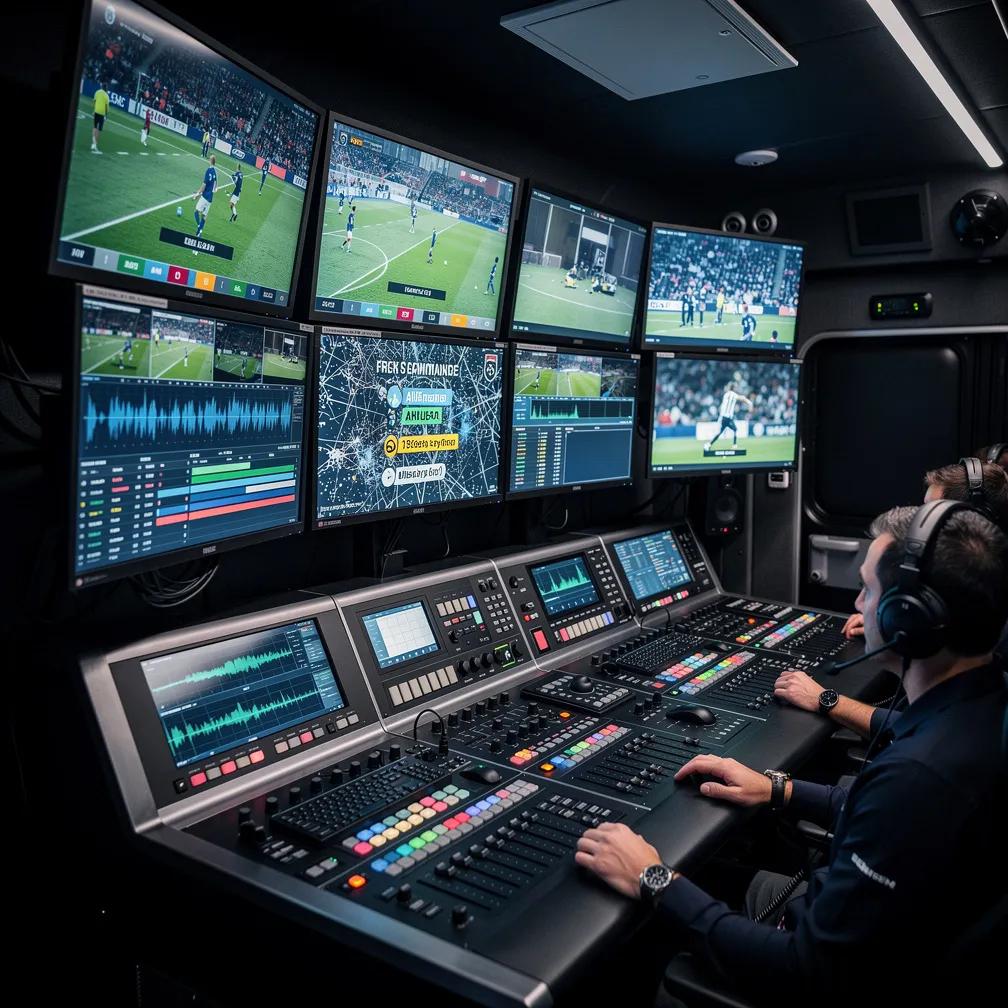
Speed gets attention. Trust gets adoption. That is the part many AI conversations skip. In sports broadcasting, the real test of an AI system is not whether it can produce a flashy demo. It is whether a live production team can trust it...
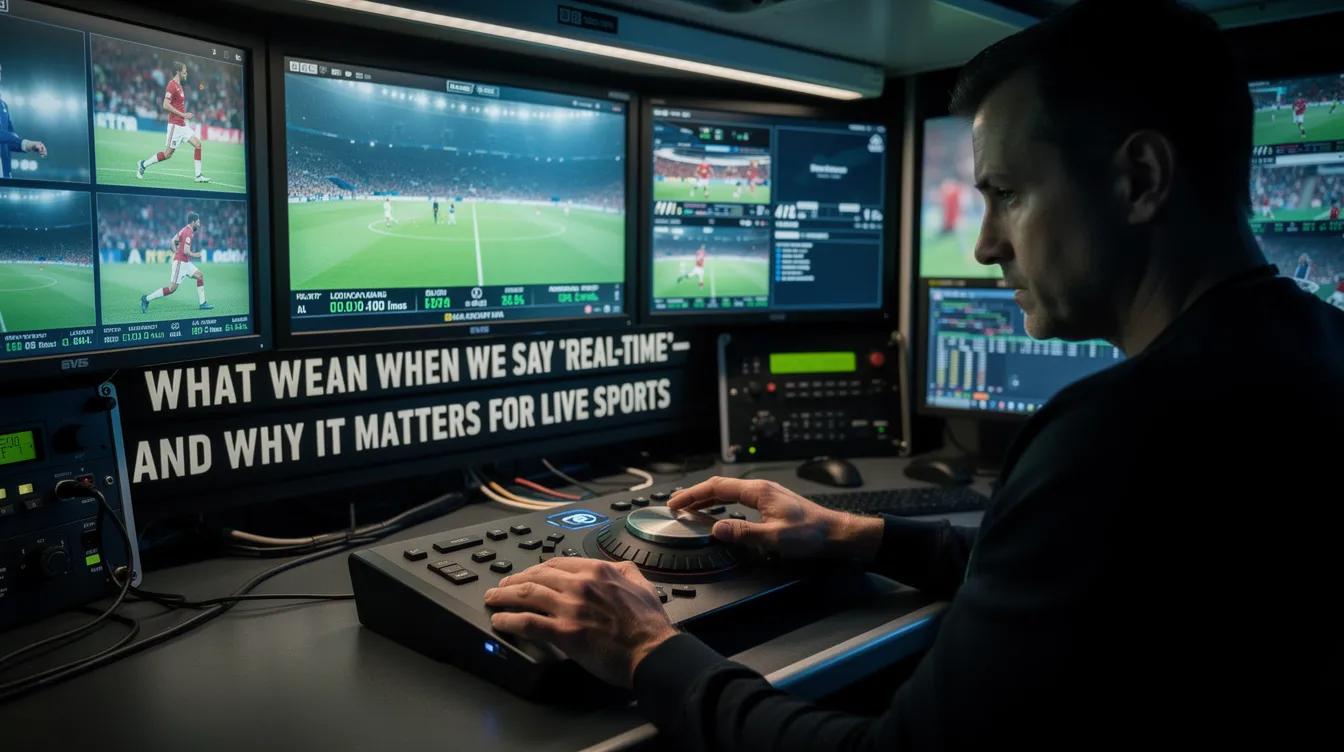
In broadcast, 'real-time' isn't a marketing term — it's a hard technical requirement with specific latency budgets that determine whether your system is useful or not.
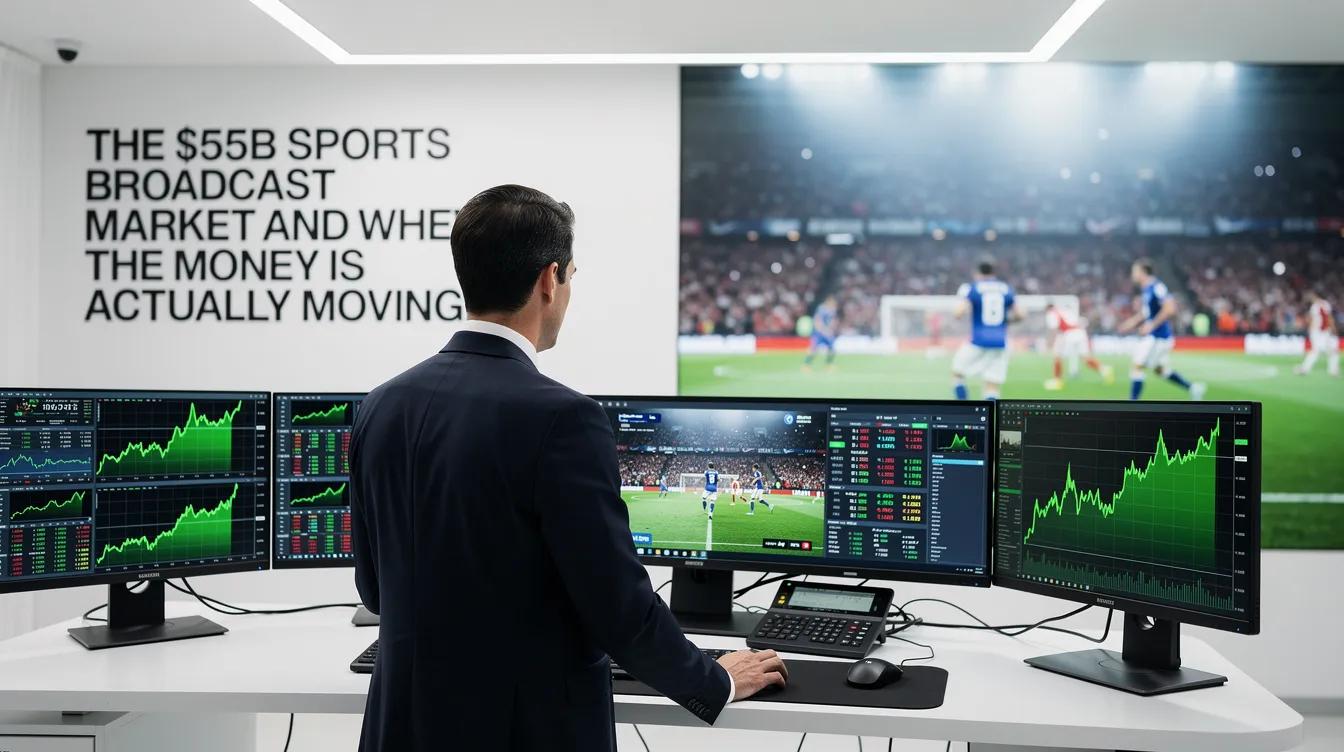
The market is growing, but production budgets aren't keeping pace. That gap is where AI-assisted broadcast tools become essential, not optional.
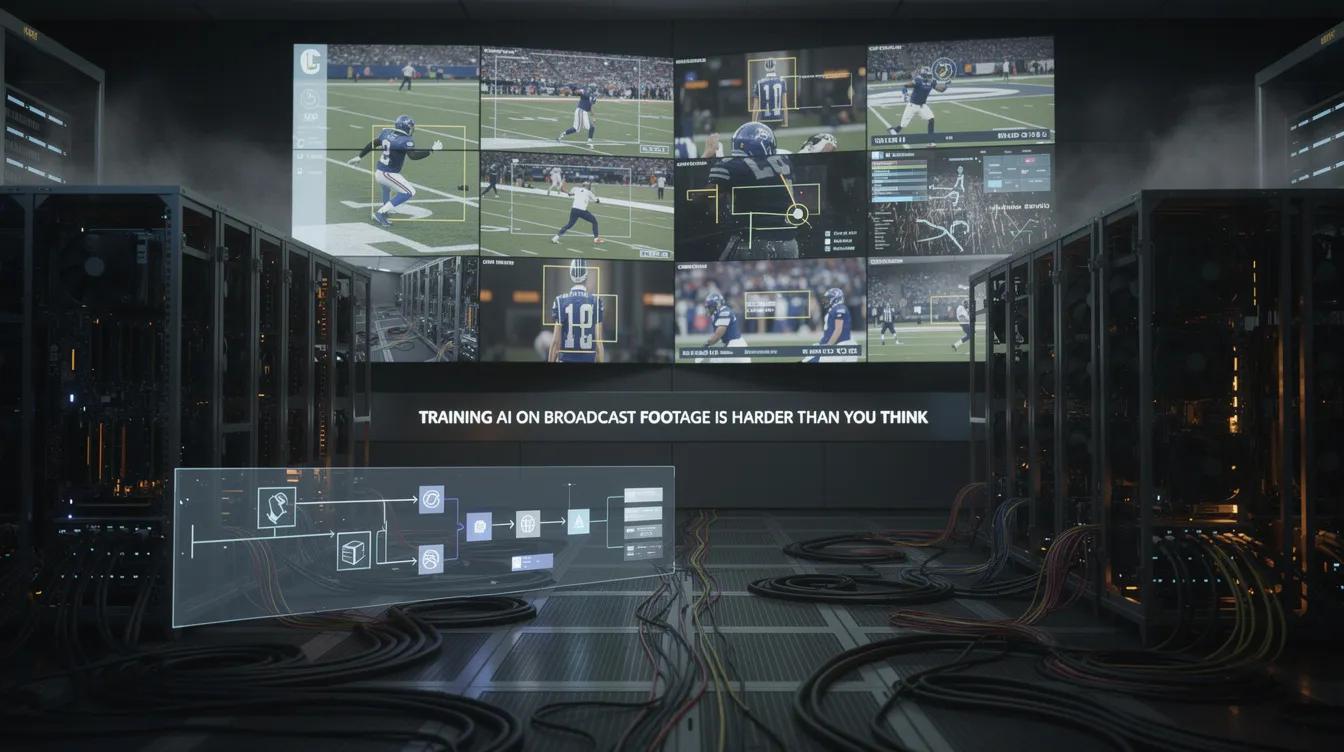
Generic computer vision works great on clean data. Real broadcast feeds — with overlays, replays, ad breaks, and camera cuts — are a different challenge entirely.
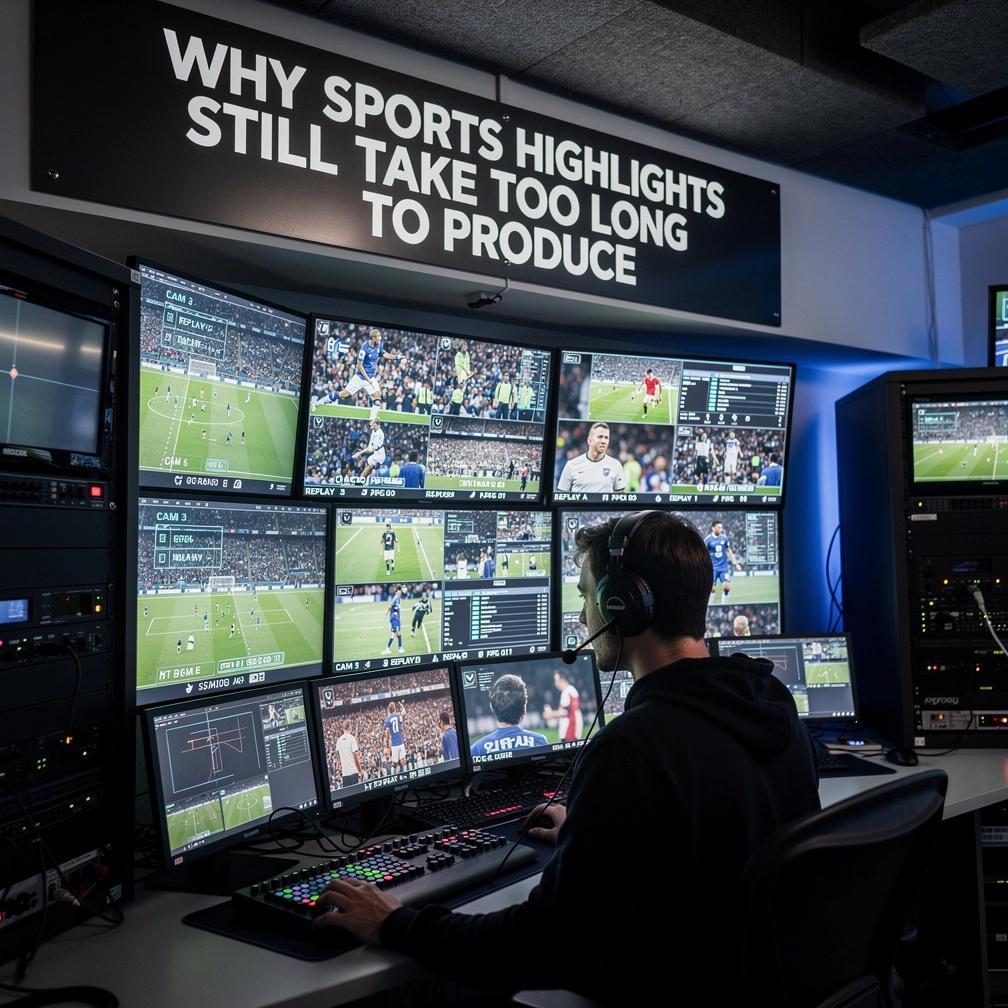
Fans want clips in seconds. The current production pipeline takes minutes to hours. Here's where the gap is — and what it would take to close it.
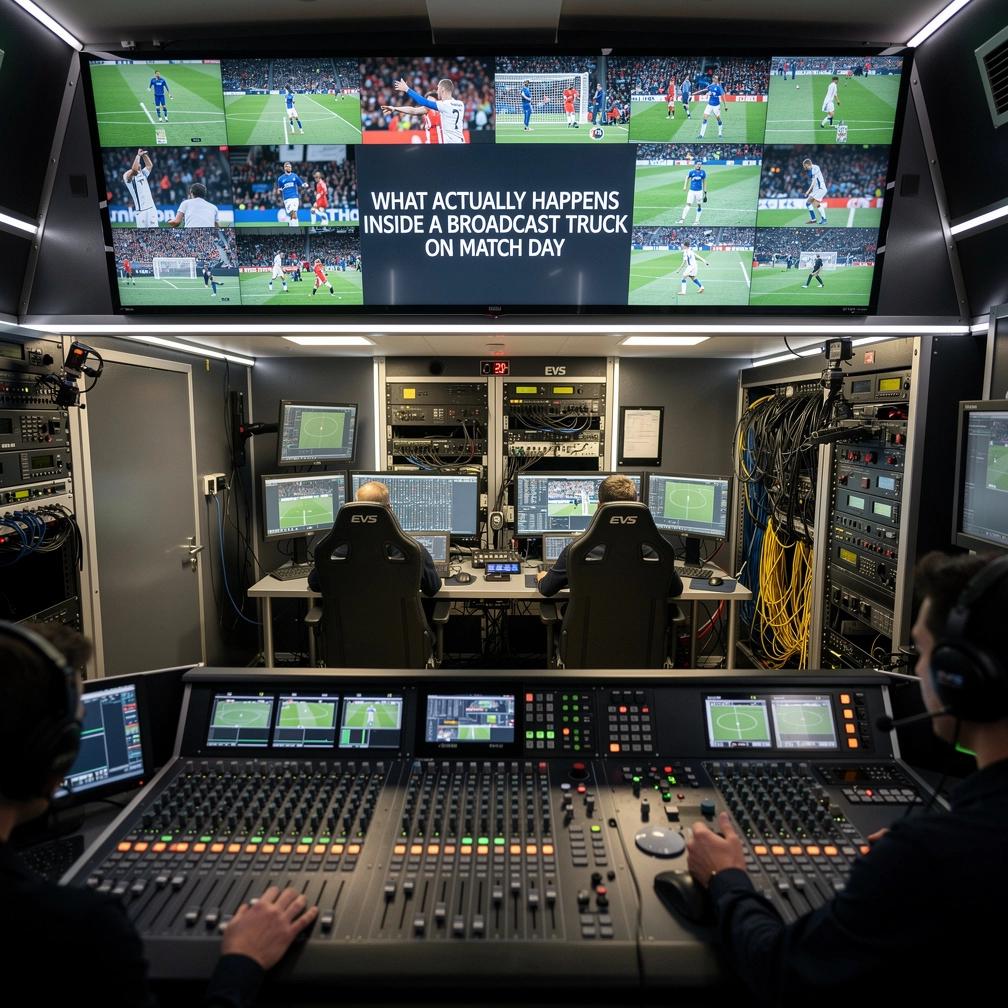
A behind-the-scenes walkthrough of live sports production — from 6am load-in to final whistle — and why so much of it is still done by hand.
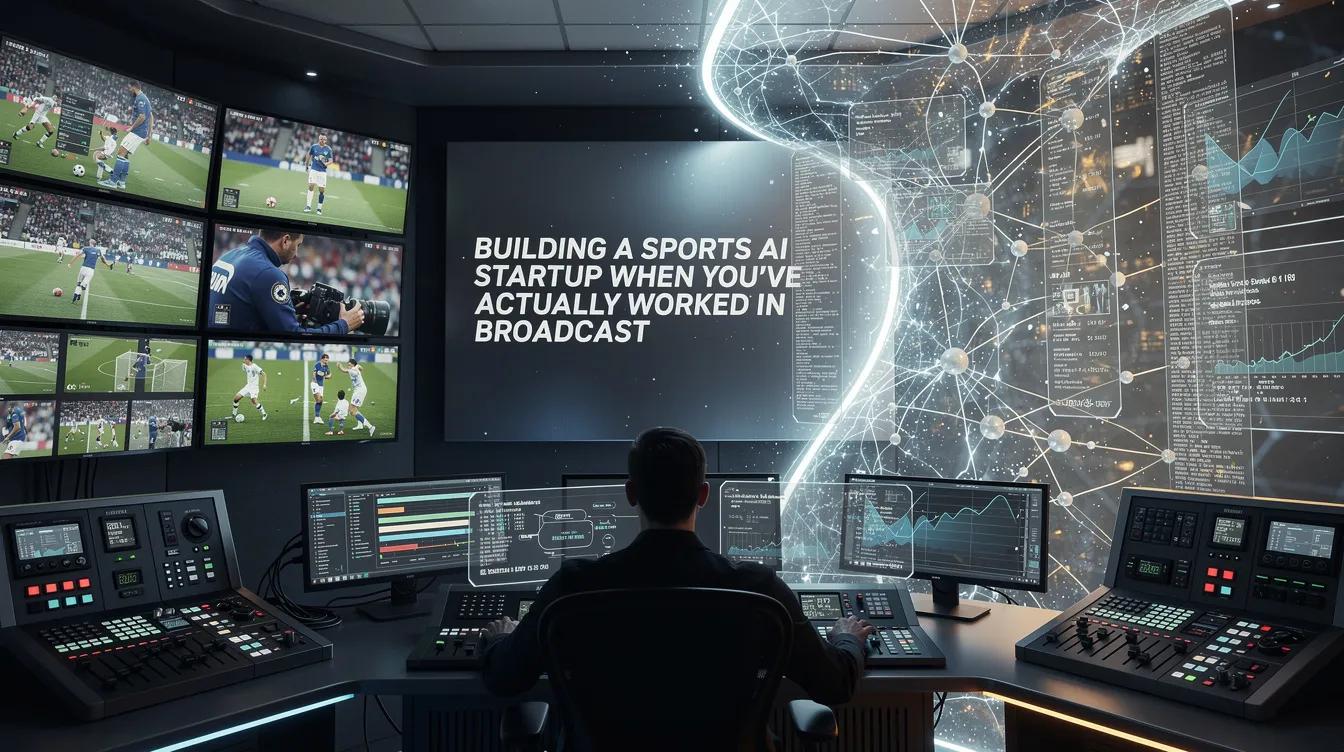
Domain experience isn't just a nice-to-have — it changes what you build, how you build it, and what you refuse to promise.
AI-driven event detection isn't just about technology—it's about redefining how broadcasters analyse, produce, and deliver sports content, turning real-time coverage into highly personalised experiences tailored to their audience's prefe...
Welcome to the first post in a new series where we'll dive deep into the intersection of sport, technology, and innovation, exploring how artificial intelligence (AI) could revolutionise the way we experience sports—both on and off the f...